

Event Overview
The January Grand Sumo Tournament (Hatsu Basho) is Japan’s first professional sumo tournament of the year, taking place from Sunday, January 11 to Sunday, January 25, 2026, at Ryōgoku Kokugikan in Tokyo. This 15-day event brings together top professional sumo wrestlers in a format steeped in ceremonial tradition and cultural significance.
How can I make a group booking?
For group bookings, please reach out via our Contact Us page with your event name, date, and number of tickets needed. Our team will prepare the best available options and assist you personally.
Contact Us →Ryōgoku Kokugikan, also known as Tokyo’s national sumo arena, serves not just as a sporting venue but as a cultural landmark. Understanding its structure, seating, and daily schedule is essential for overseas visitors to make the most of their experience.
Global Context and Venue Significance of The January Grand Sumo Tournament
Sumo is widely recognized internationally as Japan’s national sport, but attending a live tournament in Tokyo provides context that televised matches cannot replicate. The January tournament represents the opening of the professional calendar, featuring ritual ceremonies, evolving rankings, and daily competitions across all divisions.
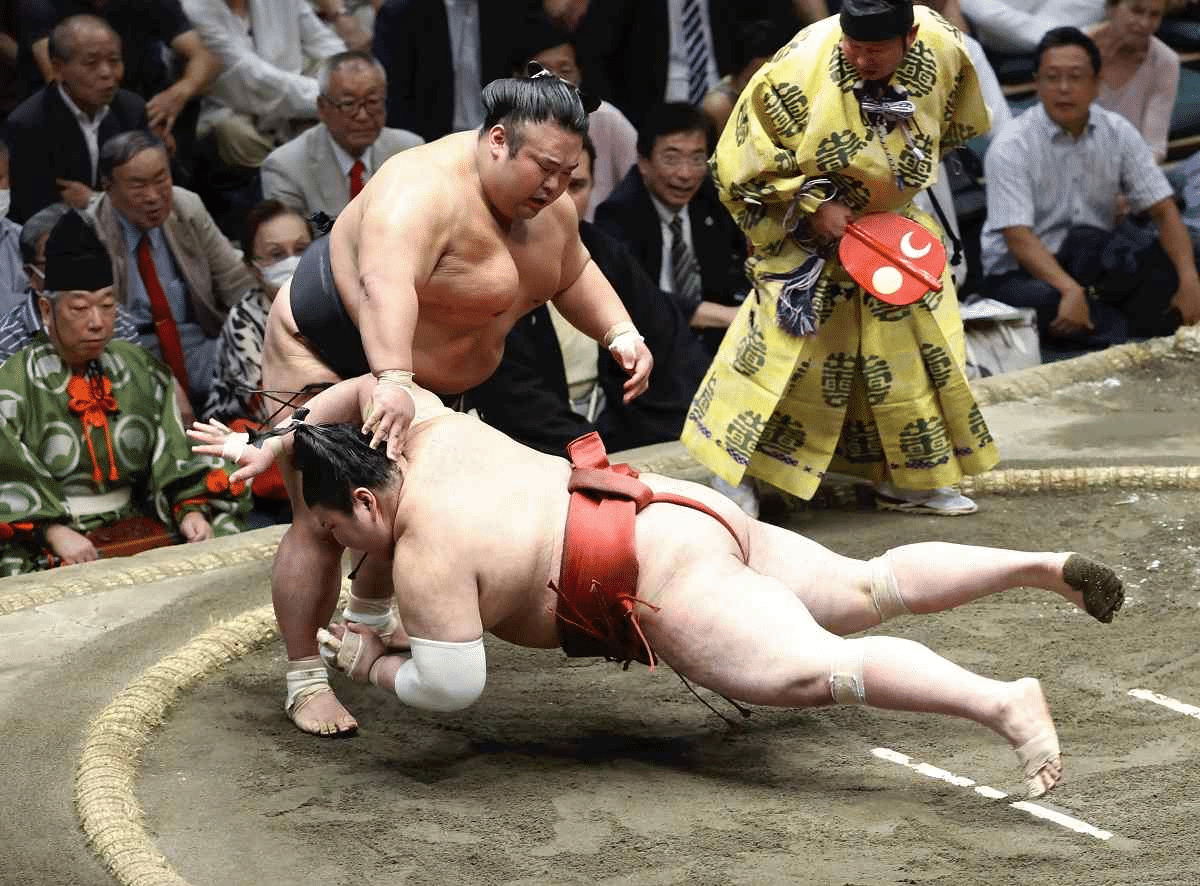
Ryōgoku Kokugikan has hosted generations of tournaments and remains central to Japan’s sumo culture. Visitors experience a system designed for domestic audiences, making preparation and cultural awareness important.
The Venue: Ryōgoku Kokugikan
Address: 1-3-28 Yokoami, Sumida City, Tokyo 130-0015, Japan
Capacity: Approximately 10,000 spectators
Design Features:
- Close proximity to the sumo ring for many seats
- Box-style tatami seating for groups
- Elevated arena and stand seating for distant views
- Emphasis on ceremonial visibility and audience decorum
The arena’s design reflects both the sporting and spiritual aspects of sumo, with rituals performed at the dohyo (ring) visible from all seating levels.
Daily Schedule and Flow at the Venue
Each day follows a structured progression:
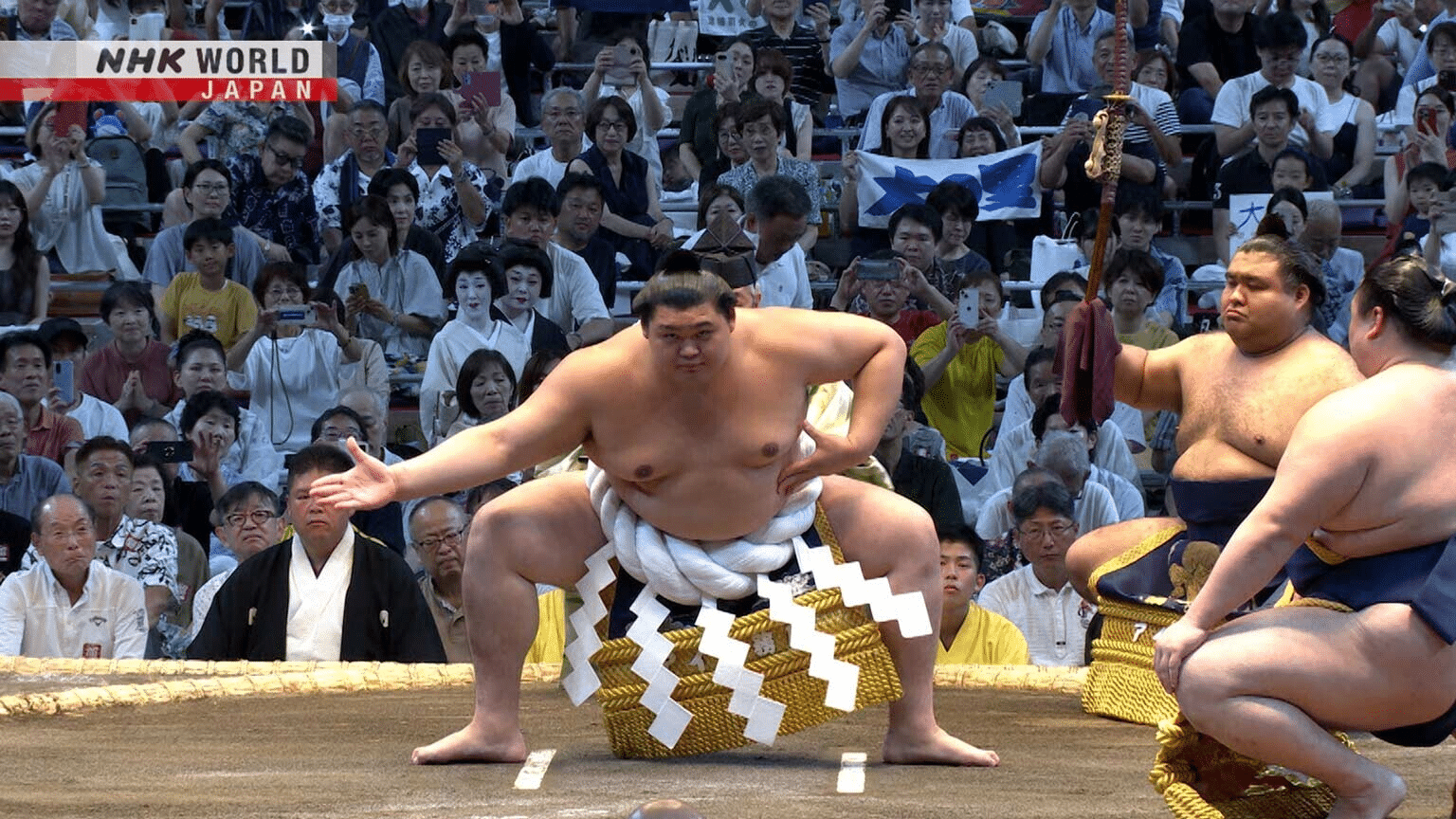
- Morning (8:40–10:00 AM): Lower divisions (Jonokuchi, Jonidan, Sandanme, Makushita)
- Mid-Afternoon (~2:30 PM): Jūryō division matches
- Late Afternoon (~3:45 PM): Makuuchi division entrance ceremonies
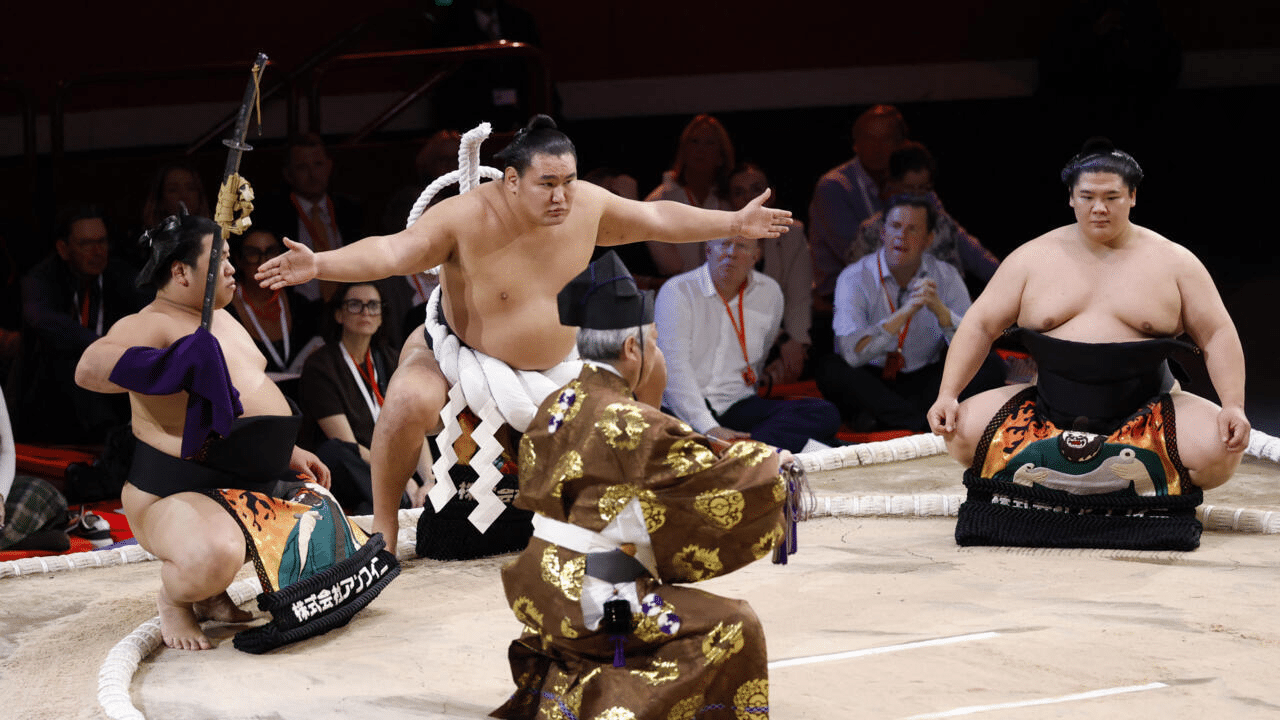
- Evening (4:10–6:00 PM): Main matches and yumitori-shiki bow-twirling ritual
Visitors are encouraged to arrive early to witness the full progression, including rituals and lower-division bouts, which provide insight into sumo’s cultural depth.
Ticketing Systems and Seating
Tickets for the January 2026 tournament go on sale Saturday, December 6, 2025, with the banzuke (official rankings) announced around December 22, 2025.
Typical Ticket Categories:
- Ringside seats: Closest to the dohyo, offering an immersive experience
- Box seating: Tatami mats accommodating small groups
- Arena/stand seating: Elevated views for broader perspective
Japanese ticket systems are structured primarily for domestic users, and overseas visitors may encounter unique challenges in purchase timing, platform navigation, and seat selection.
For guidance and support, visitors can contact Jasumo at
https://jasumo.com/contact/
Access and Transportation for The January Grand Sumo Tournament
Nearest Station: Ryōgoku Station (JR Sobu Line or Toei Oedo Line)
Public transportation is strongly recommended. Limited parking and large crowds make driving inconvenient, particularly during weekend and final tournament days.
Visitor Preparation Tips
- Arrive Early: To experience rituals and lower-division matches
- Plan Accommodation: Nearby hotels fill quickly during tournament dates
- Cultural Etiquette: Maintain quiet observation during matches and follow local guidance for seating and photo-taking
- Food and Drink: Enjoy traditional sumo cuisine, such as chanko-nabe, in or around Ryōgoku
Connectivity is also important for navigating the area, checking ticket confirmations, and accessing transport schedules. Many visitors arrange mobile Wi-Fi in advance via
https://omoriwifi.com/
Common Challenges for Overseas Visitors attending The January Grand Sumo Tournament
Visitors often note that:
- Timing and pacing differ from international sports events
- Ticket systems may require extra attention due to Japanese interface
- Weather in January can be cold, especially when arriving early
These challenges are part of understanding Japan-specific event systems and can be mitigated with advance preparation.
Jasumo Support and Additional Context
Jasumo provides neutral guidance to help overseas visitors navigate Japanese event systems. For further context, including career and long-term living insights in Japan, resources are available at
https://comfyscareer.com/
Conclusion
Ryōgoku Kokugikan is more than a venue—it is a gateway to understanding Japan’s national sport. Familiarity with the arena layout, ticketing structure, daily schedule, and cultural expectations enables overseas visitors to enjoy the January Grand Sumo Tournament with clarity and confidence.
Frequently Asked Questions: The January Grand Sumo Tournament
The tournament runs from Sunday, January 11 to Sunday, January 25, 2026, at the Ryōgoku Kokugikan arena in Tokyo.
Tickets go on sale Saturday, December 6, 2025. Because the Japanese booking system can be tricky for overseas visitors, you can get guidance and support through Jasumo.
Take public transportation to Ryōgoku Station via the JR Sobu Line or Toei Oedo Line. Driving is not recommended due to heavy crowds and lack of parking.
here are three main choices: Ringside seats (closest to the action), Box seating (traditional Japanese tatami mats for small groups), and Arena/stand seating (elevated chairs offering a broader view of the stadium).
Yes, you can enjoy traditional sumo cuisine, like chanko-nabe (hearty stew), right at or around the venue
