

Event Overview
The January Grand Sumo Tournament 2026 (Hatsu Basho) is the first official professional sumo tournament of the year and one of Japan’s most culturally significant sporting events. In 2026, the tournament runs from Sunday, January 11 to Sunday, January 25, taking place over 15 consecutive days at Ryōgoku Kokugikan in Tokyo.
How can I make a group booking?
For group bookings, please reach out via our Contact Us page with your event name, date, and number of tickets needed. Our team will prepare the best available options and assist you personally.
Contact Us →Unlike many international sporting events that focus on a single match or weekend, a sumo honbasho is a continuous, structured competition where wrestlers compete daily and rankings evolve in real time. For overseas visitors, understanding this system is key to planning a smooth and rewarding experience.
Global Context: Why Visitors Travel for Hatsu Basho at the Grand Sumo Tournament 2026
Sumo is often encountered abroad through highlights or documentaries, but live attendance in Japan follows a distinctly domestic rhythm. The January tournament is especially symbolic, marking the opening of the sumo calendar and the release of new official rankings.
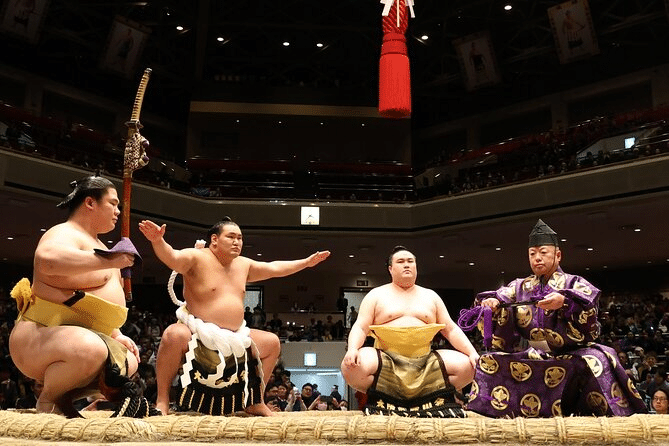
Many overseas visitors plan their winter trips around Hatsu Basho because it combines:
- A stable, predictable schedule
- Tokyo-based access
- Deep ceremonial visibility
While global interest in sumo continues to grow, the event itself is not structured for tourists, which makes preparation especially important.
Japan-Specific Systems Overseas Visitors Should Understand
Full-Day Entry System
Tickets are valid for the entire day, not for a single match. Visitors may arrive in the morning to watch lower divisions or enter later for top-division bouts. Re-entry is generally allowed once, which differs from many stadium systems outside Japan.
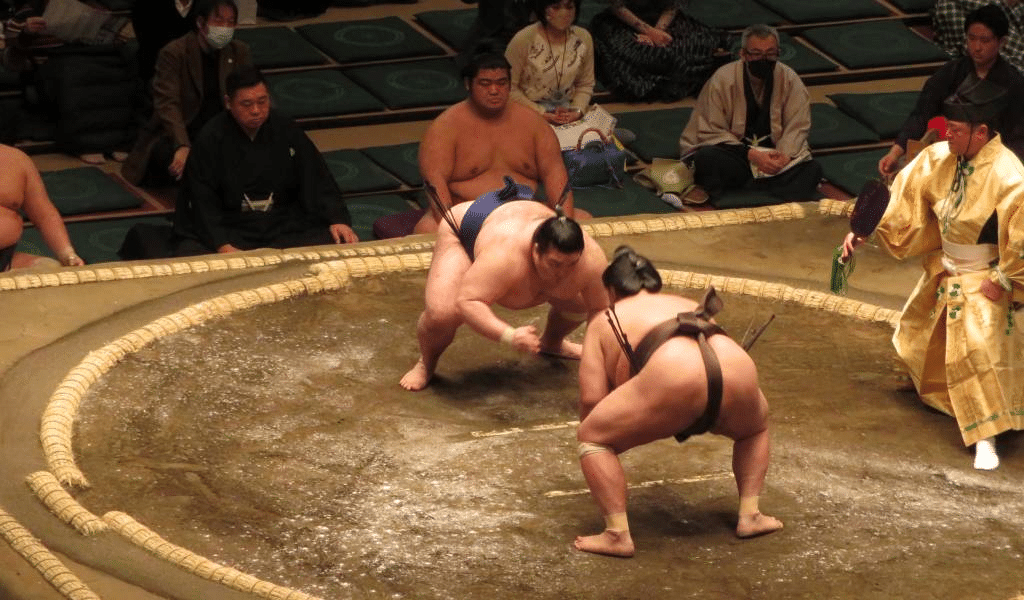
Daily Progression Format
Each day follows a consistent order:
- Morning: Lower divisions begin as early as 8:40–10:00 AM
- Mid-afternoon: Jūryō division bouts (around 2:30 PM)
- Late afternoon: Makuuchi entrance ceremony and matches
- Early evening: Closing rituals, typically finishing around 6:00 PM
This structure allows visitors to choose how long they stay based on interest and energy levels.
What Makes Attending the Grand Sumo Tournament 2026 in Tokyo Distinct
Ryōgoku Kokugikan is Japan’s national sumo arena and is designed around ritual visibility rather than spectacle. Audience behavior is generally quiet and observant, particularly during matches, with applause rather than chanting.
The venue’s proximity to Ryōgoku Station and its historical association with sumo make it a focal point for the sport’s identity. For overseas visitors, this environment may feel more formal than other global sporting venues.
Ticketing Systems and Timing
Tickets for the January 2026 tournament go on sale on Saturday, December 6, 2025, with the official ranking list (banzuke) typically announced around December 22, 2025.
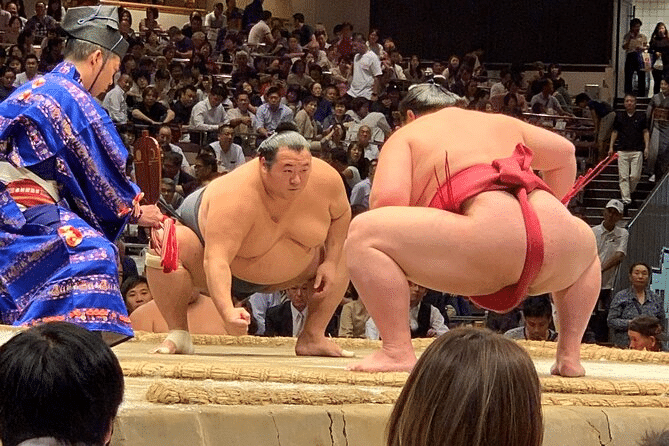
Seat types usually include:
- Ringside seats
- Box seating (tatami-style group seating)
- Arena or stand seating
Pricing and availability vary by day, with weekends and final days selling out fastest. Japanese ticket systems are designed primarily for domestic users, and some overseas visitors may find the process unfamiliar at first.
Advance preparation and system awareness can help reduce last-minute uncertainty. General guidance and visitor support related to Japan’s event systems are available through
https://jasumo.com/contact/
Common Challenges Visitors Encounter at the Grand Sumo Tournament 2026
Some overseas visitors report uncertainty around:
- Choosing seat types without prior experience
- Understanding daily timing and when to arrive
- Navigating ticket platforms in Japanese
- Managing cold January weather during early arrival times
These challenges are common and reflect differences between Japanese and overseas event systems rather than individual difficulty.
Travel and Venue Access for the Grand Sumo Tournament 2026
Ryōgoku Kokugikan is a short walk from Ryōgoku Station, accessible via:
- JR Sobu Line
- Toei Oedo Line
Public transportation is strongly recommended due to limited parking and increased congestion during tournament days. Trains and station signage are well-integrated into Tokyo’s transport network, but visitors should allow extra time on weekends.
Connectivity and Day-of Navigation
Mobile connectivity plays an important role in navigating Tokyo, checking train routes, confirming ticket details, and managing schedule adjustments. Many overseas visitors arrange connectivity before arrival through services such as
https://omoriwifi.com/
Having reliable access can reduce stress, particularly during busy tournament days.
Cultural Extensions Around Ryōgoku
Ryōgoku is closely associated with sumo culture, and many visitors choose to extend their day by exploring nearby areas or enjoying chanko-nabe, the traditional hot pot associated with sumo stables. These experiences are optional but often complement tournament attendance.
Jasumo and Long-Term Visitor Context
Jasumo exists to help overseas visitors better understand Japan’s event systems and cultural logistics, offering neutral guidance rather than promotion. For broader career, relocation, and long-term life context in Japan, visitors may also find background resources at
https://comfyscareer.com/
Conclusion
Attending the January Grand Sumo Tournament 2026 as an overseas visitor is less about spectacle and more about understanding structure, timing, and cultural rhythm. With preparation and realistic expectations, visitors can engage with one of Japan’s most enduring traditions confidently and respectfully.
Frequently Asked Questions: January Grand Sumo Tournament 2026
Matches run all day starting from 8:40 AM, but the highest-ranked elite division (Makuuchi) bouts begin around 3:45 PM.
Yes, your ticket is valid for the whole day, and you are permitted exactly one re-entry per day.
Official ticketing portals open in December, sell out incredibly fast, and are heavily optimized for domestic Japanese users with unfamiliar buying flows.
January 11–25, 2026, at Ryōgoku Kokugikan in Tokyo.
Jasumo offers support for navigating complex local event and ticketing systems, while OmoriWiFi provides pocket internet routers for seamless navigation on match day.
