

Event Overview
The January Grand Sumo Tournament, officially known as Hatsu Basho (初場所), is the first of Japan’s six annual professional sumo tournaments. Held every January in Tokyo, this 15-day event marks the formal opening of the professional sumo calendar and carries strong ceremonial and sporting significance within Japan.
How can I make a group booking?
For group bookings, please reach out via our Contact Us page with your event name, date, and number of tickets needed. Our team will prepare the best available options and assist you personally.
Contact Us →The 2026 tournament takes place from Sunday, January 11 to Sunday, January 25, 2026, at Ryōgoku Kokugikan, Japan’s national sumo arena. Each day of the tournament features a full progression of matches across all professional divisions, culminating in top-division bouts during the late afternoon.
Global Context and Cultural Significance
Sumo wrestling is Japan’s national sport and remains deeply rooted in Shinto ritual, seasonal tradition, and community identity. While international awareness of sumo has grown through broadcasts and documentaries, the live tournament experience in Japan follows systems designed primarily for domestic audiences.

For many overseas visitors, the January tournament is their first opportunity to encounter sumo not as entertainment alone, but as a structured cultural event governed by long-standing customs.
Japan-Specific January Grand Sumo Tournament Structure
Unlike single-day sporting events, a honbasho runs continuously for 15 days. Each wrestler competes once per day, with cumulative wins and losses determining rankings and promotions.
Daily schedules follow a predictable rhythm:
- Morning sessions feature lower divisions
- Mid-afternoon introduces Jūryō division bouts
- Late afternoon focuses on the Makuuchi division and ceremonial elements
- Each day concludes with the yumitori-shiki bow-twirling ritual
Spectators are permitted to enter earlier in the day and stay throughout, which differs from many international sports formats.
What Makes the Tokyo Experience Unique During the January Grand Sumo Tournament
Ryōgoku Kokugikan is not only a sporting venue but also a cultural landmark. The arena’s design emphasizes closeness to the ring, ritual visibility, and audience participation through respectful observation rather than crowd noise.
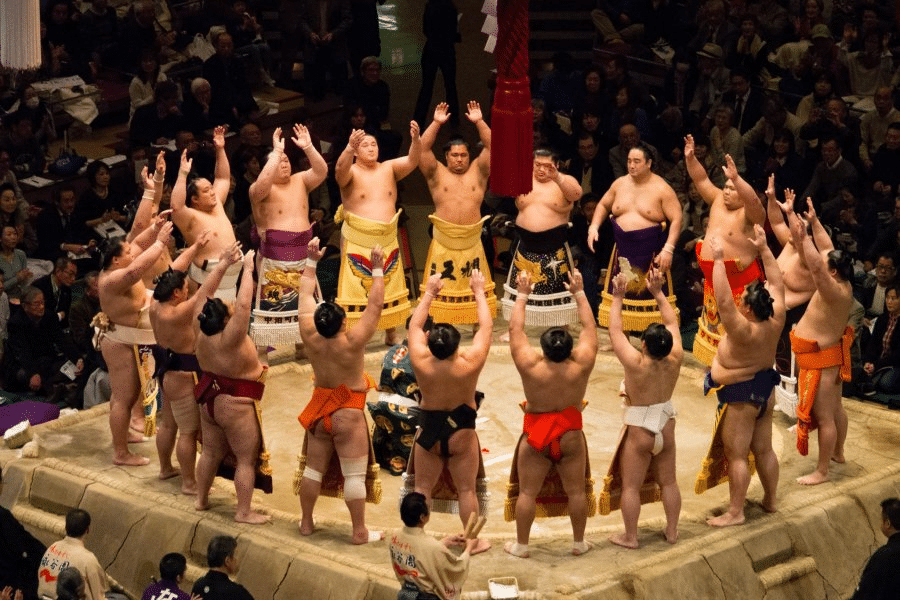
The January tournament also reflects New Year traditions in Japan, including renewed rankings (banzuke) and heightened ceremonial formality.
Planning Considerations for Overseas Visitors
Some overseas visitors may find the tournament’s timing and pacing unfamiliar. Entry is generally valid for the full day, and re-entry is usually allowed once. However, door opening times can vary toward the end of the tournament, making advance planning helpful.
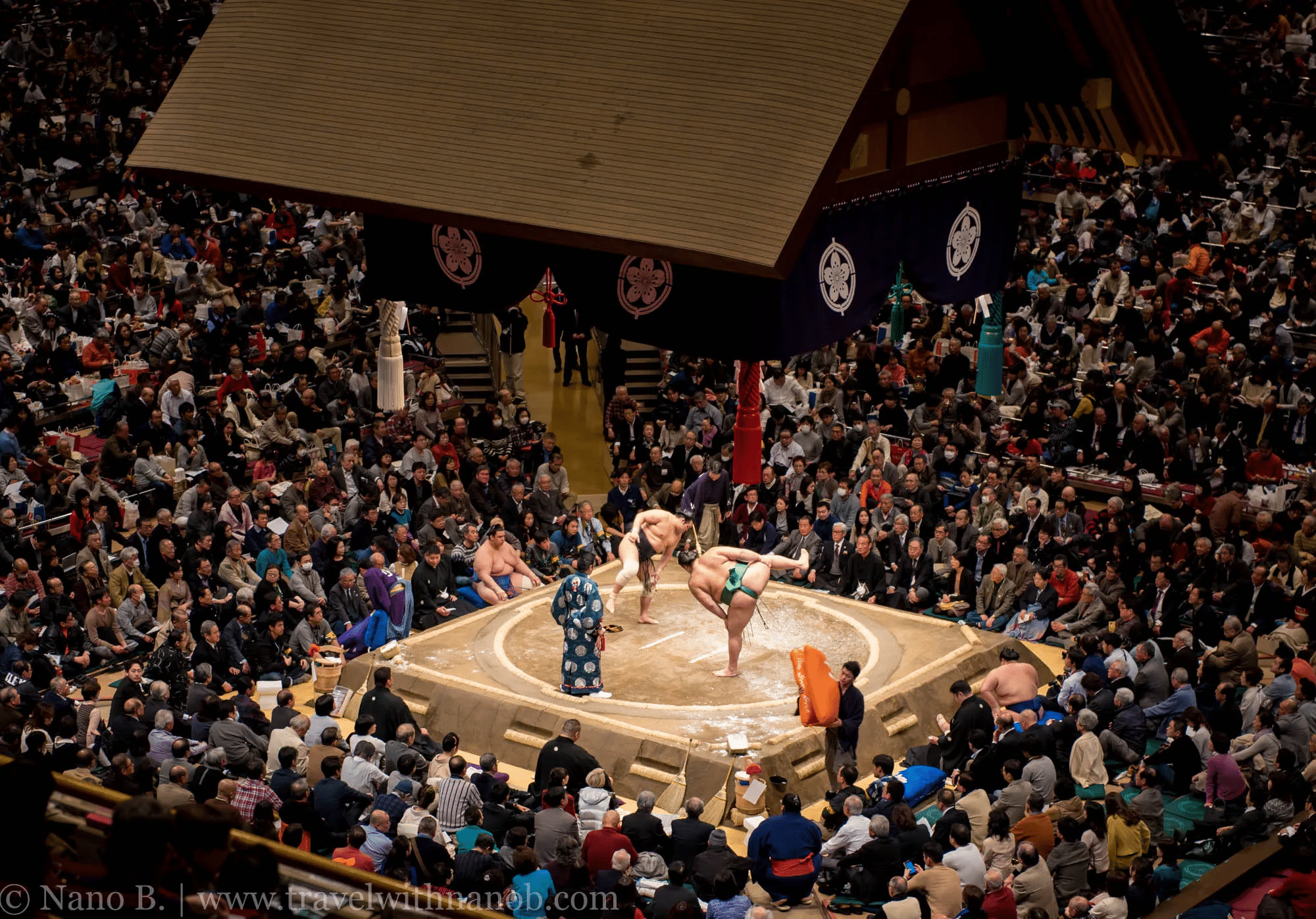
Ticket demand is highest on weekends and final days, and advance preparation can reduce uncertainty.
Ticketing Systems and Visitor Awareness for the January Grand Sumo Tournament
Tickets for the 2026 January tournament go on sale Saturday, December 6, 2025, with official rankings announced around December 22, 2025. Seat categories include ringside seats, box seating, and arena seating, with pricing dependent on proximity and demand.
Japanese ticket systems are structured for domestic users, and overseas visitors may encounter unfamiliar purchasing flows. General system guidance and support resources are available through Jasumo’s contact services at
https://jasumo.com/contact/
Travel and Access
Ryōgoku Kokugikan is accessible via Ryōgoku Station on the JR Sobu Line or Toei Oedo Line. Public transportation is strongly recommended due to limited parking and high foot traffic.
Connectivity Considerations
Reliable mobile connectivity is important for navigation, ticket confirmation, and schedule updates. Many visitors choose to arrange connectivity before arrival through providers such as
https://omoriwifi.com/
Visitor Support and Preparation
For broader career, travel, and relocation context relevant to long-term visitors in Japan, additional background resources are available through
https://comfyscareer.com/
Conclusion
The January Grand Sumo Tournament offers a structured, ceremonial introduction to Japan’s national sport. With advance planning and an understanding of local systems, overseas visitors can experience the event with confidence and cultural awareness.
Frequently Asked Questions: January Grand Sumo Tournament
The official purchasing channels are primarily optimized for domestic Japanese users, featuring unfamiliar transactional flows and rapid sell-outs.
Yes, re-entry is permitted, but standard ticket holders are strictly limited to one re-entry per day.
January 11–25, 2026, at the Ryōgoku Kokugikan in Tokyo.
While lower divisions start in the morning, the top-tier elite division (Makuuchi) bouts and ceremonial entrances take place in the late afternoon, starting around 3:45 PM.
Jasumo offers dedicated assistance for navigating the local ticket system, while OmoriWiFi provides portable internet solutions to manage digital schedules and maps on-site.
